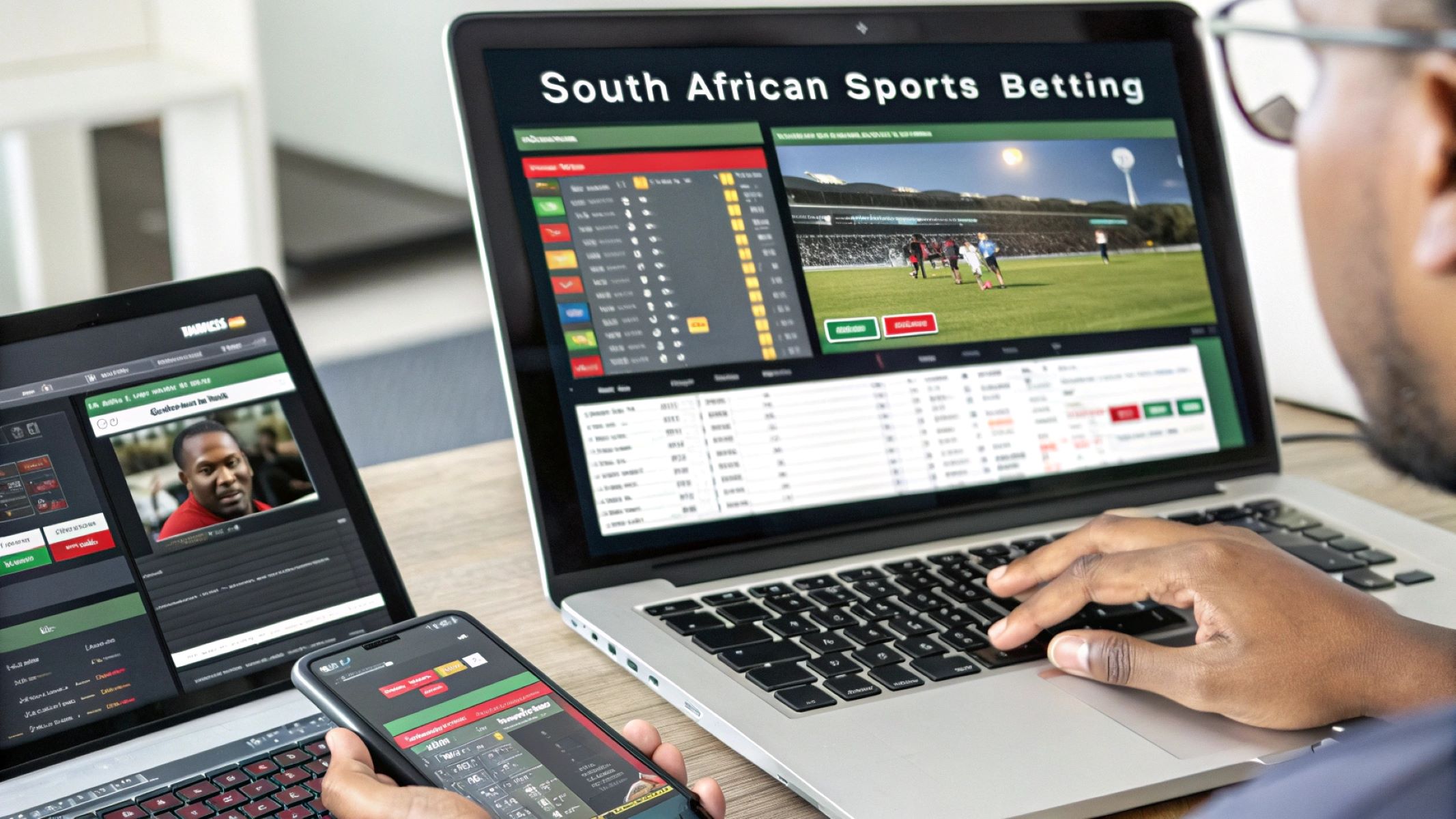
So, you’ve probably heard about automated betting systems buzzing around in the South African betting scene, right? These are essentially software programs or algorithms designed to place bets automatically based on specific strategies or data analysis. Imagine having a robot do your betting for you—no emotions, no hesitation, just pure number crunching. Sounds cool and futuristic, but should South Africans really trust these systems? That’s the big question. Let’s dive deep and break down everything you need to know.
Understanding the Basics of Automated Betting Systems
Before we dive into whether automated betting systems are trustworthy, it’s important to get a solid grasp of how they actually function. At their core, these systems are built on complex algorithms designed to analyze a vast amount of data related to sports or other betting markets. They sift through historical results, current odds, player statistics, and sometimes even live updates during games to make calculated decisions. The goal? To place bets that have the highest chance of success based on the patterns and probabilities identified in the data.
The technology behind these systems is quite sophisticated. Many automated betting platforms rely on statistical models that use math and probability theories to predict outcomes. These models examine past performance and other relevant factors to estimate the likelihood of different results. But some systems go a step further by incorporating machine learning, which allows the software to improve over time. As it processes more data and observes outcomes, it can adjust its strategies to become more accurate, almost like a learner who gets smarter with experience.
More advanced systems even include artificial intelligence (AI) components. This means they don’t just crunch numbers—they can also identify complex patterns and trends that aren’t obvious to humans or basic statistical methods. AI-driven systems can simulate human reasoning to a degree, enabling them to interpret subtle game dynamics and external factors, which might affect the results. In essence, these tools act like an incredibly sharp assistant who never sleeps, constantly monitoring and recalculating the best possible bets.
However, it’s crucial to remember that these systems operate purely on logic and data—they don’t have intuition or the ability to foresee unpredictable events, like sudden injuries or unexpected weather changes. While they can process more information than a human ever could, they still face the fundamental challenge that betting markets are influenced by chance and uncertainty. Understanding this balance between high-tech analysis and inherent unpredictability is key to realistically evaluating automated betting systems.
The Appeal of Automated Betting Systems in South Africa
| Benefit | Explanation | Impact on Bettors | Example in South African Context | Potential Drawback |
| Saves Time | Automated systems analyze vast amounts of data instantly. | Bettors don’t have to spend hours studying stats. | Busy South Africans can place bets efficiently on PSL soccer matches. | Over-reliance on the system might reduce personal learning. |
| Removes Emotional Bias | Eliminates emotional decisions like chasing losses or impulsive bets. | Helps bettors stay disciplined and stick to strategies. | Avoids frustration-driven bets during tense rugby games. | Lack of emotional input might miss important qualitative info. |
| Consistency | Executes betting strategies methodically without errors or fatigue. | Ensures the betting plan is followed precisely every time. | Ensures systematic betting on horse racing events, regardless of mood. | Rigid strategies may not adapt quickly to sudden changes. |
| Potential for Profit | Algorithms can detect value bets or market inefficiencies humans might overlook. | Increases chances of spotting profitable bets. | Identifying undervalued odds in lesser-known South African leagues. | No guarantee of profits; market volatility affects outcomes. |
| Convenience | Fully automated process allows betting anytime without manual input. | Suitable for bettors who want a “set and forget” approach. | Placing automated bets during overnight international fixtures. | Technical issues or incorrect automation can lead to losses. |
The Risks and Downsides of Automated Betting Systems
When it comes to automated betting systems, it’s important to be realistic and understand the potential pitfalls before trusting them with your hard-earned money. Here’s a detailed breakdown of the risks involved:
- Not Foolproof – Dependent on Quality of Data
Automated systems rely heavily on the data they receive. If the historical data, odds, or live updates they analyze are incomplete, outdated, or inaccurate, their predictions and betting decisions will suffer. Poor data input can easily lead to wrong bets and losses. - Over-Optimization or “Curve Fitting”
Many systems are tested against past results and can appear highly successful in simulations. However, this is called over-optimization—where the system is too tailored to past data patterns and fails to perform in the unpredictable real world. This means a strategy that looked perfect historically may flop under current conditions. - Lack of Transparency – The “Black Box” Problem
Many automated betting programs don’t fully disclose how their algorithms work. Users often don’t know the logic or rules behind the betting decisions. This lack of transparency makes it difficult to trust the system, especially if the bets don’t go well and you can’t figure out why. - Technical Glitches and Errors
Like any software, automated betting systems are prone to bugs, crashes, or connectivity issues. A glitch might cause a bet to be placed incorrectly or not placed at all. In fast-moving betting markets, such mistakes can cost you dearly and happen before you even realize. - High Costs and Hidden Fees
Many automated systems require subscriptions, upfront payments, or take a commission from your winnings. These costs can add up and cut into your profits. Sometimes, the expense is not justified by the returns, especially if the system doesn’t deliver consistent results. - Overreliance and Loss of Betting Skills
Relying too heavily on automation can cause bettors to lose their own analytical edge and understanding of the betting markets. This dependence may lead to poor decision-making if the system fails or when manual intervention is needed. - Regulatory and Platform Restrictions
Some betting sites explicitly ban the use of automated betting tools or bots. Using them might lead to account suspension, loss of winnings, or being blacklisted. This legal and platform risk is often overlooked by new users. - Emotional Disconnect and Reduced Engagement
Automating bets means you’re not involved in the decision-making process, which can lessen your enjoyment or interest in the sport and betting itself. This disconnection might lead to reckless use of the system without proper oversight.
How Do Automated Betting Systems Fit Into South African Legal Landscape?
Navigating the legal landscape of gambling in South Africa requires a clear understanding of the country’s strict regulations designed to protect players and ensure fair play. South Africa’s gambling laws are primarily governed by the National Gambling Act, along with provincial legislation, which together establish a framework to regulate all forms of betting and gaming activities. Only licensed operators authorized by the National Gambling Board or respective provincial authorities can legally offer betting services. This licensing ensures that betting platforms adhere to standards related to fairness, security, and responsible gambling.
When it comes to automated betting systems themselves, South African law does not explicitly prohibit their use. However, the legality of using these tools is closely tied to the platform on which they operate. If you use an automated betting system on a licensed betting site, you are generally within the bounds of the law. Conversely, using these systems on unlicensed or offshore platforms exposes bettors to legal risks, including the possibility of losing access to funds or facing regulatory penalties. This distinction is crucial because South African authorities actively discourage gambling with unregulated operators to protect consumers from fraud and unfair practices.
Another key consideration is the responsibility placed on users to comply with the terms and conditions of their chosen betting sites. Many licensed platforms explicitly ban or restrict the use of bots and automated betting systems, as these tools can potentially disrupt market fairness or violate site policies. Users must carefully review the rules of their platform to avoid inadvertently breaking them. Failure to comply can result in harsh consequences such as suspension of accounts, forfeiture of winnings, or even permanent bans. This means that trust in an automated system also involves ensuring that it operates within the legal and regulatory framework set by the site.
Ultimately, while automated betting systems are not illegal in South Africa per se, their use requires vigilance and responsibility. Bettors must not only trust the technology but also make sure they are playing safely and legally by choosing licensed operators and following platform rules. Ignoring these legal aspects can lead to significant losses and complications beyond just the risk of the bets themselves. Therefore, understanding and respecting the legal environment is just as important as evaluating the effectiveness of any automated betting system.
How Do South African Bettors Actually Use These Systems?
| Strategy Name | Description | Popularity in South Africa | Advantages | Challenges |
| Arbitrage Betting | Exploits differences in odds offered by various betting sites to guarantee a profit regardless of the outcome. By placing bets on all possible outcomes across different platforms, bettors lock in risk-free gains. | Moderate | Provides almost risk-free profit opportunities when executed correctly. | Requires quick action and access to multiple accounts; limited by betting limits and commissions. |
| Value Betting | Focuses on identifying bets where the odds offered are higher than the actual probability of the event occurring. This strategy banks on spotting “mispriced” odds to gain long-term profits. | High | Leverages deep data analysis to find profitable bets overlooked by bookmakers. | Needs constant monitoring and solid understanding of betting markets. Not always easy for beginners. |
| Martingale System | A progressive betting method where the bettor doubles their stake after each loss, aiming to recover previous losses with a single win. | Low to Moderate | Simple to understand and implement; can work in the short term. | Risk of massive losses during losing streaks; requires large bankrolls and discipline. |
| Trend Analysis | Involves placing bets based on recent form, player performances, or team momentum rather than pure statistics. | Moderate | Captures psychological and situational factors influencing outcomes. | Trends can be misleading or change suddenly, making this strategy less reliable. |
Do Automated Systems Beat Human Intuition?
When it comes to deciding whether automated betting systems can outperform human intuition, there are many factors to consider. Here’s a detailed look at the strengths and limitations of both machines and humans in the betting world:
- Machines excel at processing massive amounts of data quickly and accurately. Unlike humans, automated systems can analyze thousands of statistics, odds changes, and historical results in seconds. This capability allows them to identify complex patterns and correlations that would be impossible for a person to detect manually.
- Machines operate without emotional bias or fatigue. Humans often let emotions like excitement, frustration, or hope cloud their judgment, leading to impulsive or irrational bets. Automated systems stick strictly to their programmed logic, maintaining consistency and discipline in bet placement regardless of outcomes or personal feelings.
- Humans possess intuition and experience that machines can’t replicate. Years of following teams, understanding player psychology, and sensing subtle shifts in team dynamics give human bettors an edge in interpreting situations beyond raw data. This “gut feeling” often guides successful bets that defy statistical expectations.
- Betting markets are inherently unpredictable and influenced by intangible factors. Things like sudden injuries, weather conditions, referee decisions, or even locker room morale can drastically affect outcomes in ways that algorithms struggle to predict. Humans can sometimes anticipate these intangibles based on insider knowledge or contextual understanding.
- Machines are limited by the quality and scope of data fed into them. If important variables are missing or inaccurate, automated systems’ predictions can be flawed. Humans have the flexibility to adjust their strategies based on new or unexpected information that hasn’t yet been digitized.
- Humans can adapt quickly to changing circumstances and novel situations. While some advanced AI can learn over time, many automated systems rely on predefined rules that may not cope well with sudden shifts in sports trends or market conditions.
- Automated systems can help remove common human errors and biases, serving as a valuable tool rather than a full replacement. Many professional bettors use automation to enhance their analysis, combining computational power with human insight for better decisions.
- Over-reliance on machines can lead to complacency. If bettors trust automation blindly, they might neglect developing their own understanding and critical thinking skills, making them vulnerable if the system fails or the market changes unexpectedly.
- The best approach may be a partnership between man and machine. Using automated betting systems to handle data-heavy tasks while humans apply intuition and contextual knowledge creates a complementary balance, maximizing strengths on both sides.
- Ultimately, neither machines nor humans guarantee consistent wins. Betting always involves risk and unpredictability, so combining both approaches wisely and maintaining discipline is key to long-term success.